
Can You Challenge Police Evidence in Detroit Criminal Cases?
When facing criminal charges in Detroit, the evidence presented against you often determines the outcome of your case. Police and prosecutors rely heavily on forensic evidence, witness testimony, and physical evidence to build their cases. However, this evidence isn’t always as reliable or conclusive as the prosecution might suggest. Understanding your rights to challenge police evidence can make a significant difference in your defense strategy and potentially lead to reduced charges or even case dismissal.
If you’re facing criminal charges in Detroit, The Lobb Law Firm can help you understand your options for challenging police evidence. Our experienced defense team knows how to scrutinize every piece of evidence presented against you. Call us at 248-591-4090 or contact us now to discuss your case.
Understanding Your Rights to Challenge Evidence
The United States Constitution guarantees every defendant the right to a fair trial, which includes the ability to challenge evidence presented by the prosecution. In Detroit criminal cases, this fundamental right extends to questioning the reliability, collection methods, and interpretation of all types of evidence. The Sixth Amendment specifically provides you with the right to confront witnesses against you, which means you can cross-examine police officers, forensic analysts, and other prosecution witnesses about their findings and methods.
Your defense attorney can file various motions to challenge evidence before trial, including motions to suppress illegally obtained evidence or exclude unreliable testimony. These pre-trial challenges often prove crucial in weakening the prosecution’s case or preventing damaging evidence from reaching the jury.
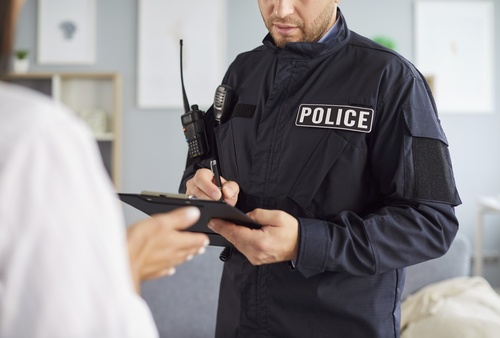
Types of Police Evidence Subject to Challenge
Forensic Evidence and Laboratory Testing
The Michigan State Police Forensic Science Division operates seven regional forensic laboratories that provide testing services to law enforcement agencies throughout Michigan, including Detroit. While these labs hold ISO 17025:2017 accreditation for numerous technical disciplines including DNA analysis, firearms testing, and toxicology, their findings aren’t beyond challenge. FSD scientists have expertise in 11 forensic specialties and analyze a wide range of physical evidence, but even accredited laboratories can make errors or use questionable methodologies.
Forensic evidence challenges might focus on chain of custody issues, contamination possibilities, testing methodology flaws, or interpretation errors. While national forensic science standards exist (for example through NIST’s Organization of Scientific Area Committees, created in 2014), their adoption is voluntary and oversight in the U.S. is fragmented across state forensic science commissions, accreditation bodies, and federal laboratories rather than a single mandatory national authority; defense attorneys must therefore carefully scrutinize each forensic report and the qualifications of the analysts who prepared them.
💡 Pro Tip: Request complete documentation of all forensic testing performed on evidence in your case, including raw data, lab notes, and quality control records. These documents often reveal procedural errors or inconsistencies that your attorney can use to challenge the evidence’s reliability.
Officer Testimony and Credibility Issues
Police officer testimony forms a cornerstone of many criminal prosecutions in Detroit. However, not all officer testimony carries equal weight. The Wayne County Prosecutor’s Office maintains a Giglio list documenting officers with credibility concerns that could affect their testimony. As of the most recent disclosure, there were 74 officers on this list, representing a substantial number of potential witnesses whose credibility may be questioned in court.
Wayne County assistant prosecutors are instructed to notify defense attorneys when an officer on their witness list has Giglio issues. This disclosure requirement enhances defense access to information bearing on witness reliability in Detroit trials. Defense attorneys can use this information to challenge officer testimony through cross-examination or by filing motions to exclude testimony from officers with documented credibility problems.
Physical Evidence Collection and Handling
Crime Scene Response Teams from the Forensic Science Division are available 24 hours a day, 365 days a year to document and collect evidence at crime scenes in Detroit. While their round-the-clock availability ensures prompt evidence collection, it also means that evidence may be gathered under various conditions by different teams with varying levels of experience. This variability creates opportunities for defense challenges based on collection procedures, documentation completeness, and chain of custody maintenance.
Common Grounds for Challenging Evidence with a Criminal Defense Attorney Michigan
Constitutional Violations
Evidence obtained through violations of your constitutional rights can be excluded from trial through a suppression motion. Common constitutional violations include unlawful searches and seizures without proper warrants or probable cause, Miranda rights violations during interrogations, and violations of your right to counsel. When police violate these fundamental protections, any evidence obtained as a result may be deemed inadmissible, regardless of how damaging it might be to your case.
Chain of Custody Problems
The prosecution must establish an unbroken chain of custody for all physical evidence from the moment of collection through trial presentation. Any gaps, inconsistencies, or documentation errors in this chain can provide grounds for challenging evidence reliability. Defense attorneys scrutinize evidence logs, transfer documents, and storage records to identify potential contamination or tampering opportunities.
💡 Pro Tip: Pay attention to dates, times, and personnel involved in evidence handling. Discrepancies between different documents or testimony about evidence handling can create reasonable doubt about the evidence’s integrity.
Scientific Reliability Challenges
Not all forensic techniques enjoy universal scientific acceptance. Some methods lack peer review, established error rates, or standardized procedures. Defense attorneys can challenge the admissibility of evidence based on these scientific shortcomings, particularly when newer or less-established forensic techniques are involved. The lack of national forensic science standards means that practices can vary significantly between laboratories and even between analysts within the same facility.
The Role of Expert Witnesses in Evidence Challenges
Defense teams often employ independent forensic experts to review and challenge prosecution evidence. These experts can identify flaws in testing procedures, offer alternative interpretations of results, or conduct independent testing when possible. Expert testimony becomes particularly valuable when challenging complex forensic evidence like DNA analysis, ballistics comparisons, or toxicology results.
Independent experts can also educate juries about the limitations of certain forensic techniques and the potential for error or misinterpretation. Their testimony helps level the playing field against prosecution experts who may present findings with unwarranted certainty.
Navigating Wayne County’s Prosecution System
Wayne County prosecutes 52% of Michigan felonies, making it crucial to understand the local prosecution practices when mounting evidence challenges. The Wayne County Prosecutor’s Office has implemented transparency measures regarding officer credibility issues, but defense attorneys must still actively pursue discovery to uncover all relevant information. Some agencies did not comply with requests for Giglio information, and some materials remain protected from public disclosure due to ongoing investigations or legal protections.
This means that while the prosecutor’s office attempts broad disclosure, not all credibility-affecting material will be publicly posted. Defense attorneys in Detroit must pursue traditional discovery channels and legal mechanisms to obtain non-public Giglio materials when appropriate. Understanding these local dynamics helps defense teams develop comprehensive strategies for challenging police evidence.
Timing and Strategic Considerations
Pre-Trial Motions
Challenging evidence before trial through suppression motions offers several advantages. Successful pre-trial challenges can eliminate damaging evidence entirely, potentially leading to dismissed charges or favorable plea negotiations. These motions require detailed legal arguments supported by case law and constitutional principles, making experienced legal representation essential.
Trial Strategy
When pre-trial challenges don’t succeed in excluding evidence, defense attorneys must prepare to challenge it during trial through cross-examination and presentation of contradictory evidence. Effective cross-examination techniques can expose weaknesses in forensic testimony, highlight chain of custody problems, or reveal bias in witness testimony.
💡 Pro Tip: Document any concerns about evidence collection or handling immediately. Time-stamped photos, videos, or written notes created close to the time of events carry more weight than recollections presented months later at trial.
Building Your Defense Against Police Evidence
Successfully challenging police evidence requires a comprehensive approach combining legal knowledge, investigative resources, and strategic planning. Michigan criminal defense attorneys experienced in evidence challenges understand how to identify weaknesses in the prosecution’s case and exploit them effectively. They know which experts to consult, what discovery materials to request, and how to present technical challenges in ways juries can understand.
The process begins with a thorough review of all evidence and discovery materials. Defense teams must examine police reports for inconsistencies, review forensic reports for methodological flaws, and investigate the backgrounds of prosecution witnesses for credibility issues. This comprehensive approach often reveals multiple grounds for challenging evidence that might not be apparent from a surface-level review.
Frequently Asked Questions
What types of police evidence can be challenged in Detroit criminal cases?
Virtually all types of police evidence can be challenged, including forensic test results, eyewitness testimony, police officer observations, physical evidence, surveillance footage, and documentary evidence. The key is identifying specific legal or factual grounds for each challenge, such as constitutional violations, chain of custody issues, or scientific unreliability.
How do Giglio disclosures affect police testimony in my case?
Giglio disclosures reveal credibility issues with law enforcement witnesses that could affect their testimony. If an officer on the prosecution’s witness list has Giglio issues, your defense attorney must be notified. This information can be used during cross-examination to challenge the officer’s credibility or potentially exclude their testimony entirely.
Can forensic evidence from accredited labs still be challenged?
Yes, even evidence from accredited laboratories like the Michigan State Police Forensic Science Division can be challenged. Accreditation indicates adherence to certain quality standards but doesn’t guarantee error-free testing. Challenges can focus on specific procedural errors, contamination risks, interpretation disagreements, or the inherent limitations of certain forensic techniques.
What happens if police violated my rights while collecting evidence?
Evidence obtained through constitutional violations may be excluded from trial through a suppression motion. If successful, the prosecution cannot use that evidence against you, which may significantly weaken their case. Common violations include illegal searches, coerced confessions, and denial of counsel access.
When should I start challenging evidence in my criminal case?
Evidence challenges should begin as early as possible in your case. Pre-trial motions to suppress or exclude evidence must be filed within specific deadlines. Early investigation also preserves your ability to conduct independent testing or locate witnesses while memories remain fresh and evidence is still available.
Taking Action to Protect Your Rights
Challenging police evidence in Detroit criminal cases requires more than just pointing out potential flaws. It demands a strategic approach backed by legal expertise and thorough investigation. The complexities of forensic science, constitutional law, and criminal procedure make experienced legal representation essential. Understanding that flawed forensic testimony has led to dozens of wrongful convictions later overturned through DNA testing underscores the importance of vigorous defense against potentially unreliable evidence.
Don’t face criminal charges without exploring every opportunity to challenge the evidence against you. The Lobb Law Firm has the experience and resources to thoroughly examine police evidence and develop effective challenges. Our team understands the local prosecution practices in Wayne County and knows how to leverage disclosure requirements and constitutional protections to your advantage. Call 248-591-4090 today or contact us online to schedule a consultation and start building your defense strategy.
